Dental emergencies can and do happen--these incidents aren’t always avoidable and tend to cause much pain. But you can always quickly call us whenever you face one. Dr. Bianca Sanchez and our dental team will address the matter with emergency dentistry. Simply keep reading or book a same-day visit to get the immediate attention you deserve.
Why Choose Bianca Sanchez, DDS for Emergency Dentistry?
Same-Day Dental Emergency Appointments Available
Woman-Owned & Woman-Led Dental Practice
Sedation Dentistry for Comfort
How We Treat Dental Emergencies
Like many, perhaps you’ve never needed urgent oral care before. There’s no need to panic; our dental team will walk you through the process. To that end, expect these four things from an emergency dental visit:
A Same-Day Visit – As soon as you call us, we’ll book you for the earliest possible visit. Our staff can then share some first-aid tips over the phone.
An Emergency Exam – Dr. Sanchez will conduct an emergency oral exam at the start of your visit. That way, she’ll learn the source and extent of your issue. (The exam also confirms how to relieve your pain.)
Findings Review – Once the exam is done, Dr. Sanchez will share her findings with you. She’ll then suggest suitable treatment options.
Needed Dental Care – By following your treatment plan, we’ll solve your oral issue. Whether you need a filling, crown, root canal therapy, or something else, we’ll be ready.
The Most Common Dental Emergencies
Some dental emergencies tend to be pretty common. You can trust us to handle typical (yet pressing) dental issues and should give our office a call if you face any of the following:
While we are always happy to help assist you in a dental emergency, it is always a better idea to prevent an
emergency from happening than having to deal with one when it unexpectedly occurs. Investing your time and money on
regular, biannual cleanings and exams as well as practicing excellent oral hygiene can save you both time and money
later on and reduce your risk of this type of emergency from occurring.
Visit Your Dentist Regularly
Visiting Dr. Sanchez twice a year for your regular, biannual exam and cleaning can help stop looming oral health
problems as early as possible, or better yet, keep them from occurring in the first place!
Maintain Good Oral Hygiene Habits at Home
Brushing your teeth twice each day and flossing them at least once a day is an essential step in removing harmful
particles and dangerous bacteria that could cause cavities, decay, and infection.
Be Careful with Your Diet
Acidic drinks like soda and sports drinks can lead to enamel erosion that can weaken your teeth and cause them to
become sensitive. Furthermore, diets high in sugar and carbohydrates can provide a veritable feast for oral
bacteria, which can in turn cause an increase in cavities and gum inflammation. Thus, it is important to
maintain a diet high in healthy foods like fruits, vegetables, and lean proteins.
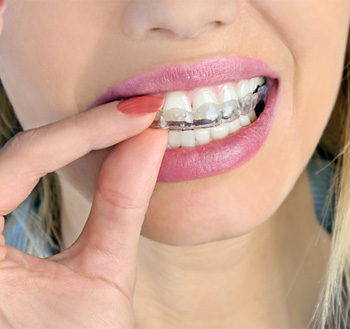
Wear a Mouthguard
There are two types of mouthguards: sports mouthguards and bruxism (teeth grinding) mouthguards. Both orthotics
can help protect your teeth and prevent accidental damage and breakage.
Use Tools, Not Teeth to Open Packaging
When opening packaging, containers, bags, or bottles, be sure to use the appropriate tools, not your teeth, as this can wear down your enamel and cause chips and cracks. The time it takes to locate a box cutter, knife, or other tool is well worth the protection it provides to your oral health.
Dental Emergency FAQs
Will a toothache go away on its own?
It’s important to remember that just because a toothache may dissipate, it does not mean that the underlying
problem also goes away. Instead, it could mean that a more serious issue needs to be addressed. Tooth decay, gum
disease, or a severe infection may be present, and without treatment, it can put your oral health at risk.
If you no longer experience any pain, it may be that the nerve that exists within the tooth has died. This means you
will need to call your emergency dentist right away. Dr. Sanchez and our team will make sure to
diagnose the problem using the most advanced solutions before treating the affected area.
Should I visit the emergency room first for dental emergencies?
There are only three reasons you should visit the emergency room when faced with a dental injury:
You have a broken or fractured jaw
Bleeding is not stopping after 10 minutes
Swelling is increasing and preventing you from being able to breathe freely
All other dental emergencies can be treated in your dentist’s office. Dr. Sanchez is equipped with the best
technologies and equipment, and our team is skilled in treating the most common injuries, including chipped and
cracked teeth, knocked-out teeth, soft tissue lacerations, broken or lost restorations, jaw pain, and more.
Visiting our office will not only ensure you get the treatment you need, but it will also save you precious time, as
you can avoid endless hours spent in an ER waiting room.
Should I put my knocked-out tooth in water?
No, you should never place a knocked-out tooth in water. While you can briefly rinse off the crown of any debris, the
root should not come in contact with water. The reason is that it will not preserve the cells, so the chances of
reintegrating the tooth with the bone and surrounding tissues will significantly decrease.
Instead, if you are unable to reinsert the tooth into the socket and hold it in place until you reach our office, you
should place it in a small container of milk or saliva. This maintains moisture and keeps the cells from dying.
What does chronic bad breath mean?
Also referred to as halitosis, chronic bad breath occurs most often because of poor oral hygiene. Failing to brush,
floss, and rinse regularly will cause bacteria to form on the tongue and inside the mouth, resulting in a foul odor.
Cavities, gum disease, smoking, and infection are also culprits of bad breath.
If you are diagnosed with halitosis, do not expect mints or gum to be enough to mask the odor. Instead, Dr. Sanchez
will need you to come in for an appointment and undergo an examination so that she can determine the root cause and
build a treatment plan to help restore your oral health (and confidence).