
Root Canal Treatment San Antonio
Saving Teeth from Serious Infections
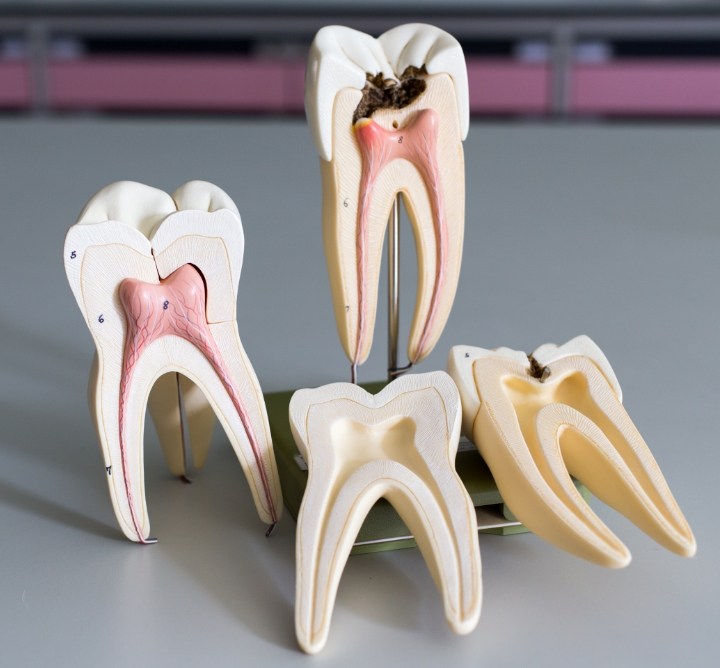
In some cases, harmful bacteria can reach the internal pulp in a decayed tooth and cause an infection. If left alone to progress, you could lose the tooth for good. To prevent that from happening, we recommend scheduling an appointment with Dr. Bianca Sanchez so she can provide a root canal, eliminate the infection, and save your tooth. To learn more about this emergency dental treatment, read on or give us a call to schedule an appointment at our office.
Why Choose Bianca Sanchez, DDS for Root Canal Treatment?
- Same-Day Dental Appointments Available
- Sedation Dentistry for Comfortable Treatment
- Gentle & Judgment-Free Dental Team
Do You Need Root Canal Treatment?

While an excruciating toothache is a common symptom of a badly decayed or damaged tooth, it isn’t the only one. Between your biannual visits to our office, it’s important that you keep an eye out for other warning signs of trouble, including:
- A dull, persistent throbbing
- Prolonged sensitivity to hot or cold foods
- A pimple-like bump on your gums
- Dark discoloration on the tooth in question
- Red, inflamed, and swollen gums
The Root Canal Process
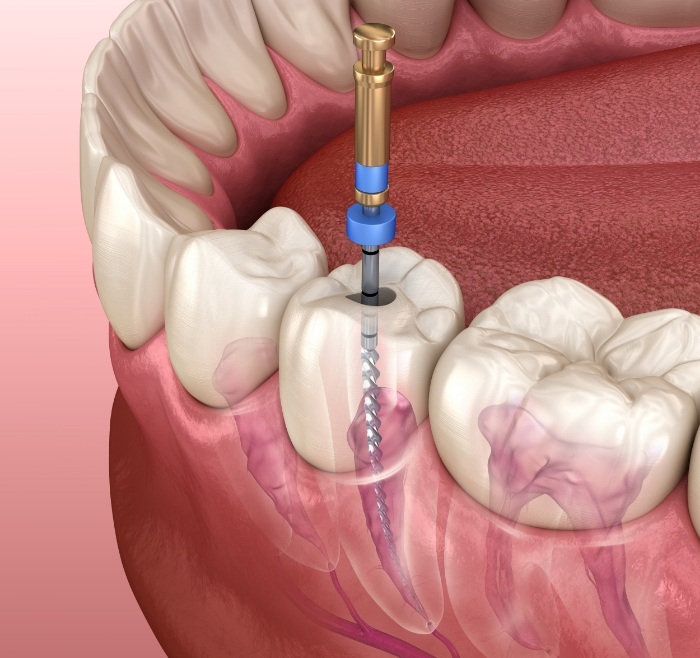
The standard root canal takes place over one or two dental visits. The first step is always the same: to numb your mouth thoroughly so you don’t feel any pain. Once you’re comfortable and ready to begin, Dr. Sanchez will use special dental tools to reach the tooth’s inner chambers. Then, she will remove the infected pulp from the interior, sanitize the space, and fill it with a tooth-colored material. Lastly, she will seal the affected area and place a dental crown over it. The dental crown will protect your tooth from further damage and ensure it keeps working well.
The Benefits of Getting a Root Canal

Oftentimes, patients feel a sense of dread and fear when they learn that they need a root canal. The truth is that it’s actually good news! Here’s why:
- Root canals can save your tooth: The alternative is extracting it and replacing it with a dental bridge or implant. Not only is the healing period more extensive, but it also requires a higher investment!
- The procedure is virtually painless: Thanks to powerful numbing agents, modern dental technology, and helpful aftercare instructions, the process of eliminating the infection doesn’t hurt.
- Aesthetically pleasing results: Decades prior, metal restorations were the go-to solution for restoring a damaged tooth. Now, dental crowns are crafted from materials like dental porcelain, which are both durable and natural-looking!
If you are interested in learning more about root canal treatment, including whether you’d benefit from this procedure, take the next step: call our office! That way, a helpful member of our team can learn more about the abnormal symptoms you’re experiencing, answer any questions you have, and schedule an appointment for you with Dr. Sanchez.
Root Canal FAQs
Are Root Canals Painful?
Root canals earned a bad reputation years ago for being painful, and at the time, that wasn’t entirely wrong. Today, however, modern anesthetics, advanced techniques, and safe dental sedation have completely changed the experience. Most patients who have one with Dr. Sanchez tell us that it feels similar to getting a filling.
However, we know that pain tolerances vary, and dental anxiety can keep patients from exploring the option at all. That’s why we offer multiple types of sedation dentistry to fit your needs. If you’re feeling nervous or in pain, don’t hesitate to let us know. Your comfort is our number one priority every time you’re in the chair.
Why Do I Need a Root Canal if My Tooth Doesn’t Hurt?
While intense tooth pain is a common sign that you need a root canal, a lack of pain isn’t always a good thing. Sometimes, if an infection kills the nerve inside the tooth, the discomfort may temporarily fade even though the infection is still growing.
This is why we always encourage patients to schedule a visit if they notice persistent or recurring tooth pain, sensitivity, or swelling.
We use digital imaging and advanced diagnostics to detect damage inside your tooth early, so it doesn’t get worse. If Dr. Sanchez recommends treatment, it’s because the tooth is at risk and needs care to prevent an emergency situation.
What Happens if You Wait Too Long for a Root Canal?
The human body is capable of healing many injuries, but your teeth are an exception. Once decay reaches the inside of your tooth, the infection won’t go away on its own. The pain the infection causes may come and go, but the bacteria will continue to spread deeper into the tooth, eventually reaching your jawbone and surrounding tissues.
This can lead to severe infection, facial swelling, or an abscess, which often requires emergency care or extraction. If pain starts suddenly, we offer same-day emergency appointments to help you find relief as soon as possible.
How Long Do Root Canals Last?
Root canals have an excellent success rate, often lasting 10 years or more. In fact, many last a lifetime with proper care! After the procedure, a crown is typically placed to strengthen and protect the tooth.
Afterward, good oral hygiene and regular dental checkups and cleanings can significantly extend the lifespan of a restored tooth. Dr. Sanchez uses high-quality materials and precise techniques to ensure long-term stability, so once your root canal is complete, you can confidently rely on your tooth for many years.